 +4 photos
"In 1314, thirty Scots disguised as merchants scaled the north face in darkness, climbing a route so sheer it was left unguarded. By dawn, the castle was theirs — and England's grip on Scotland began to slip."
About
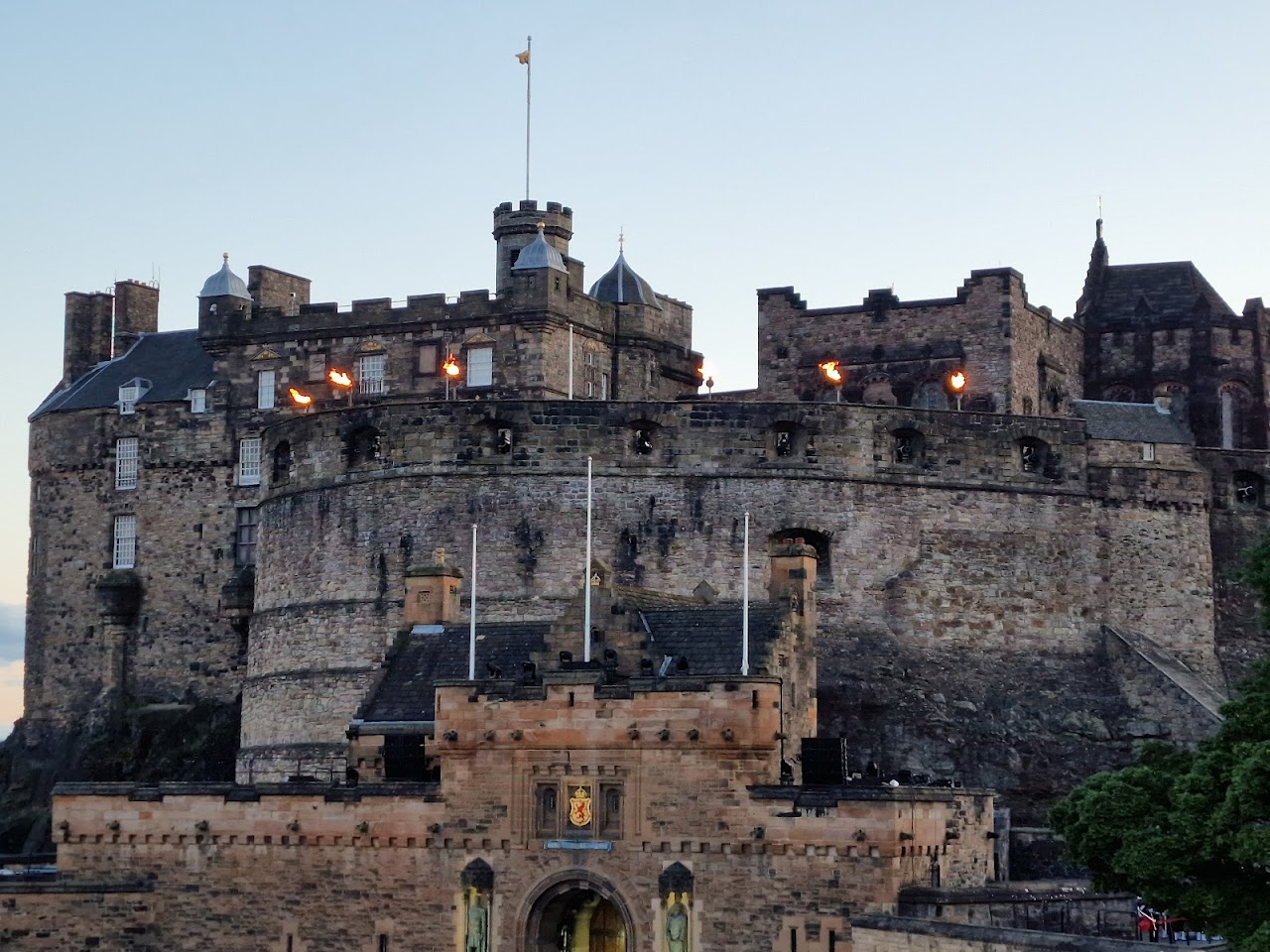
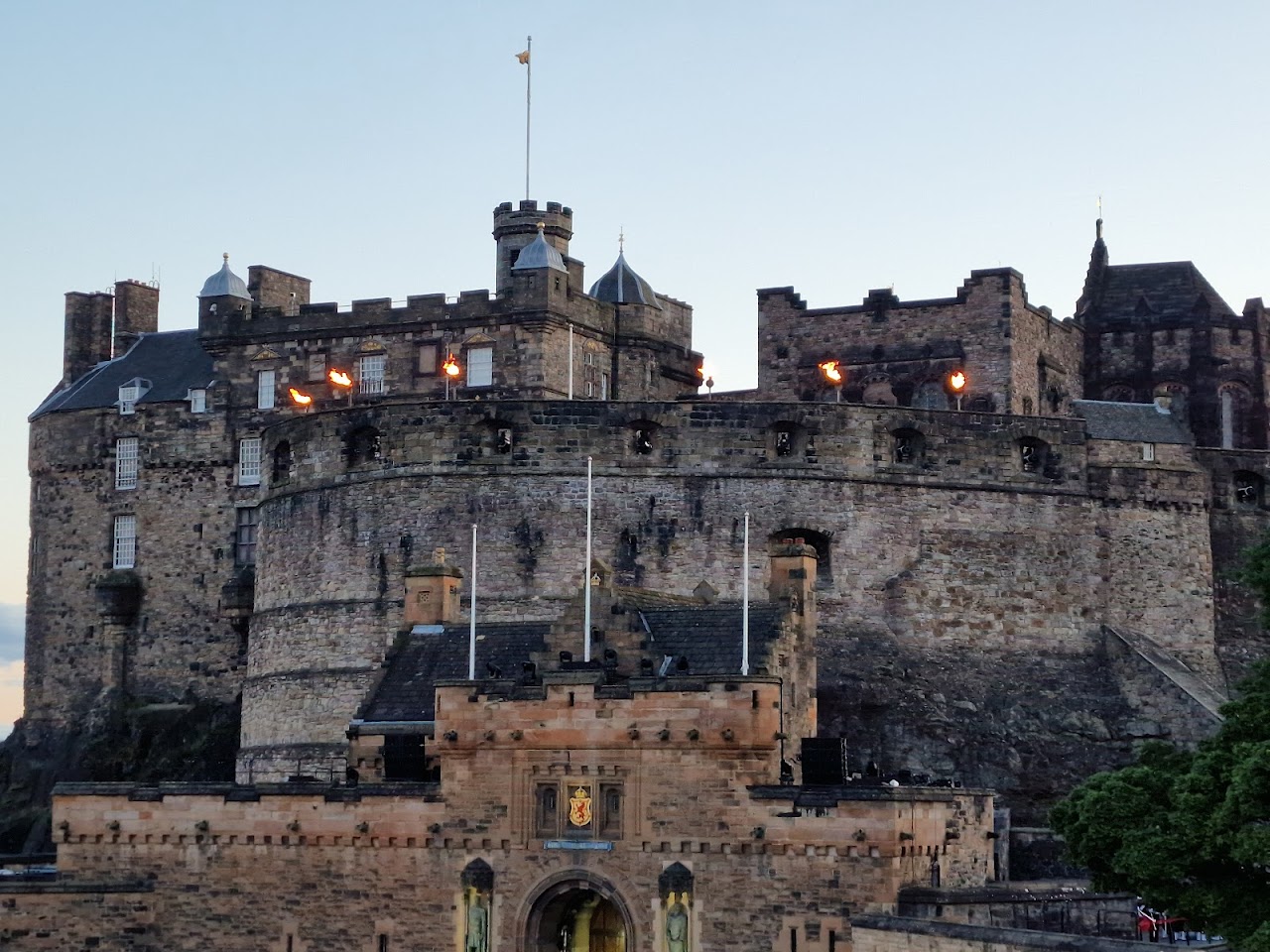
It sits on an extinct volcano, and it looks like it. Edinburgh Castle doesn't overlook the city — it commands it, rising from Castle Rock like something between a fortress and a geological event. On grey winter mornings when the haar rolls in from the Firth of Forth, the castle appears to float above the Old Town, disconnected from the world below.
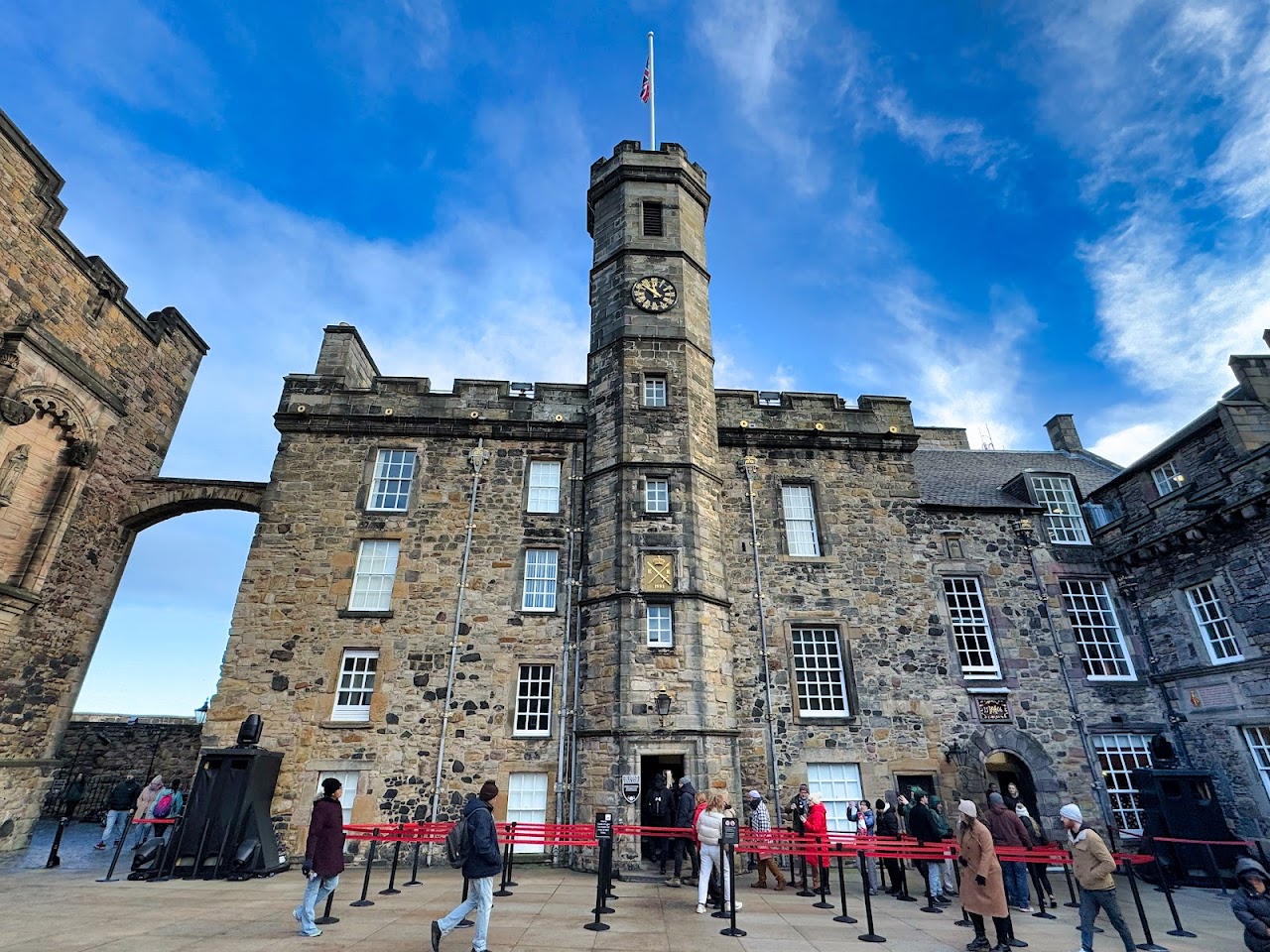
This rock has been fortified since at least the Iron Age. The Honours of Scotland — the oldest crown jewels in Britain — sit behind glass in the Crown Room, alongside the Stone of Destiny, returned from Westminster Abbey in 1996 after 700 years. St Margaret's Chapel, built around 1130, is the oldest surviving building in Edinburgh. And Mons Meg, the six-ton medieval siege cannon, once fired a stone cannonball two miles at Dumbarton Castle.
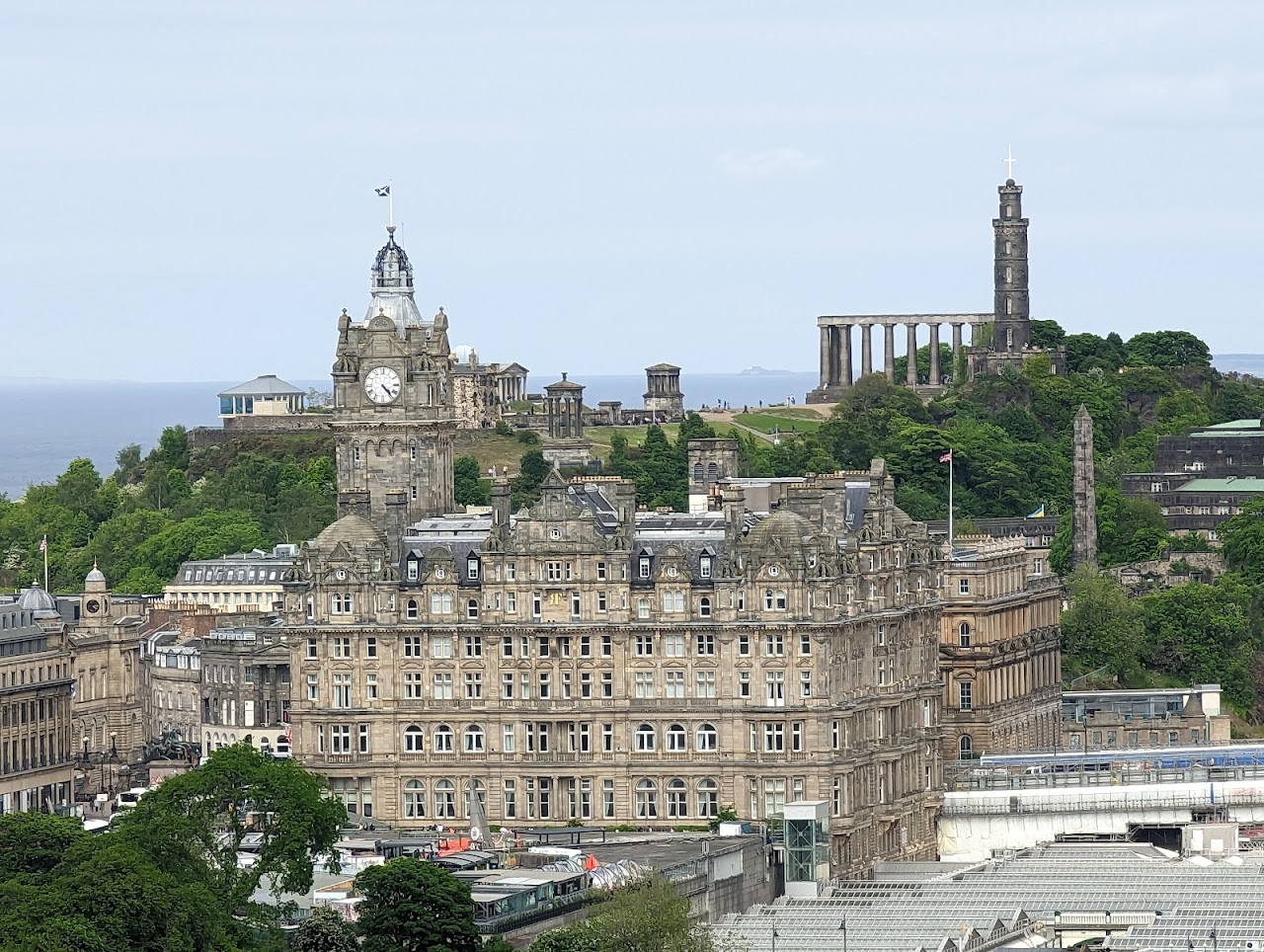
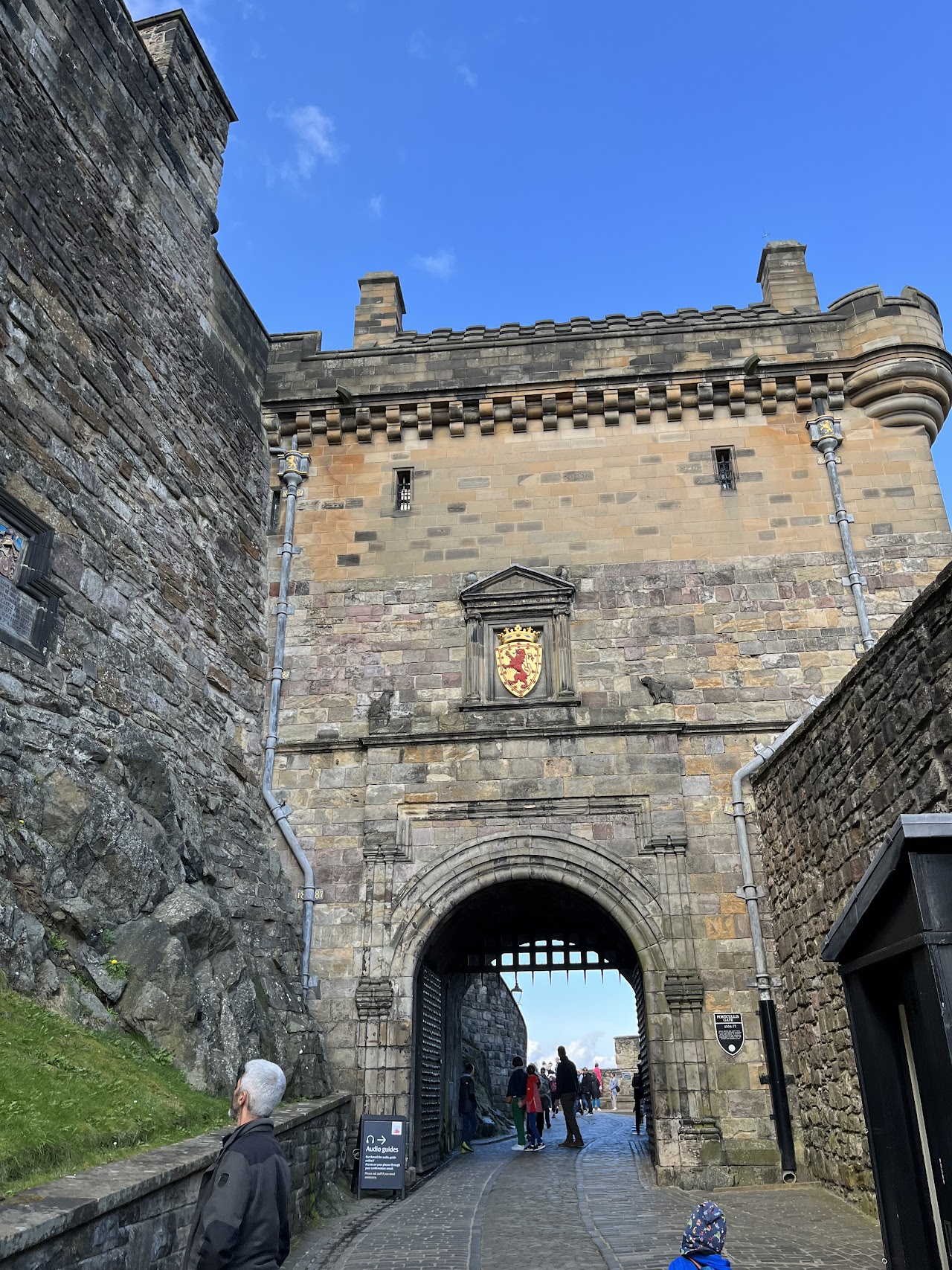
Every day at one o'clock, the One O'Clock Gun fires from the battlements — a tradition since 1861, originally to help ships in the Forth set their chronometers. Standing on the Half Moon Battery, you'll see Arthur's Seat, the Pentland Hills, and the Forth bridges all at once. The Military Tattoo transforms the esplanade each August, but the castle is most itself in the quiet months, when the wind howls through the portcullis gate and you have the ramparts almost to yourself.
Videos
Loading videos...
Getting There
Terrain & Accessibility
The Royal Mile approach to the castle is a steep cobbled climb. A free courtesy vehicle operates from the Portcullis Gate to the summit for those with mobility difficulties — book at the ticket office. Wheelchairs are available to borrow. The Crown Jewels and Great Hall are accessible, but some areas including St Margaret's Chapel involve steps. The esplanade is flat and paved.
Visitor Reviews
Loading reviews...