 +4 photos
"In 1719, three Royal Navy frigates sailed into Loch Duich and bombarded Eilean Donan until it was rubble. The castle lay in ruins for two hundred years until Lieutenant Colonel John MacRae-Gilstrap rebuilt it from scratch — using a vision his clan kinsman claimed to have seen in a dream."
About
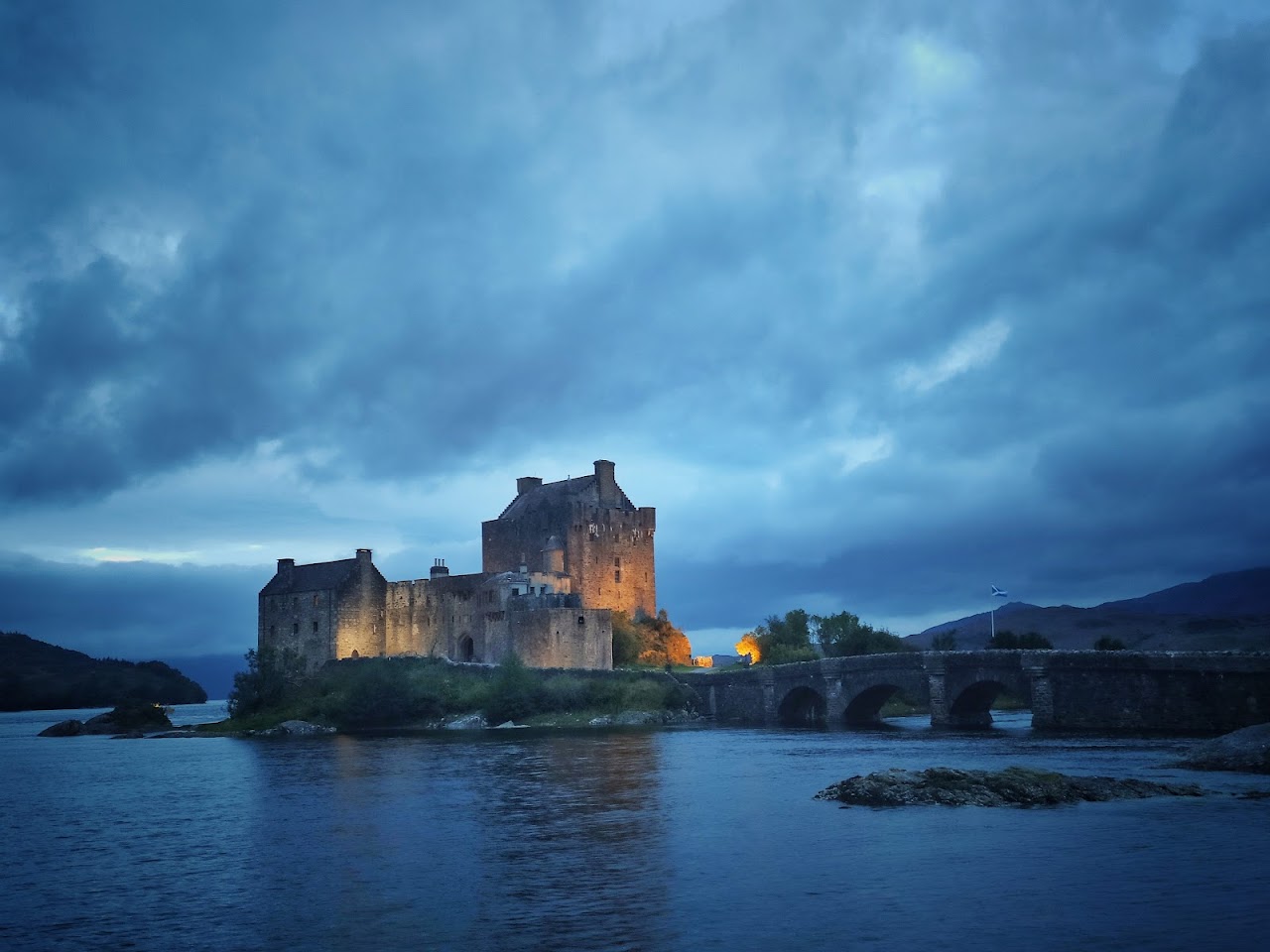
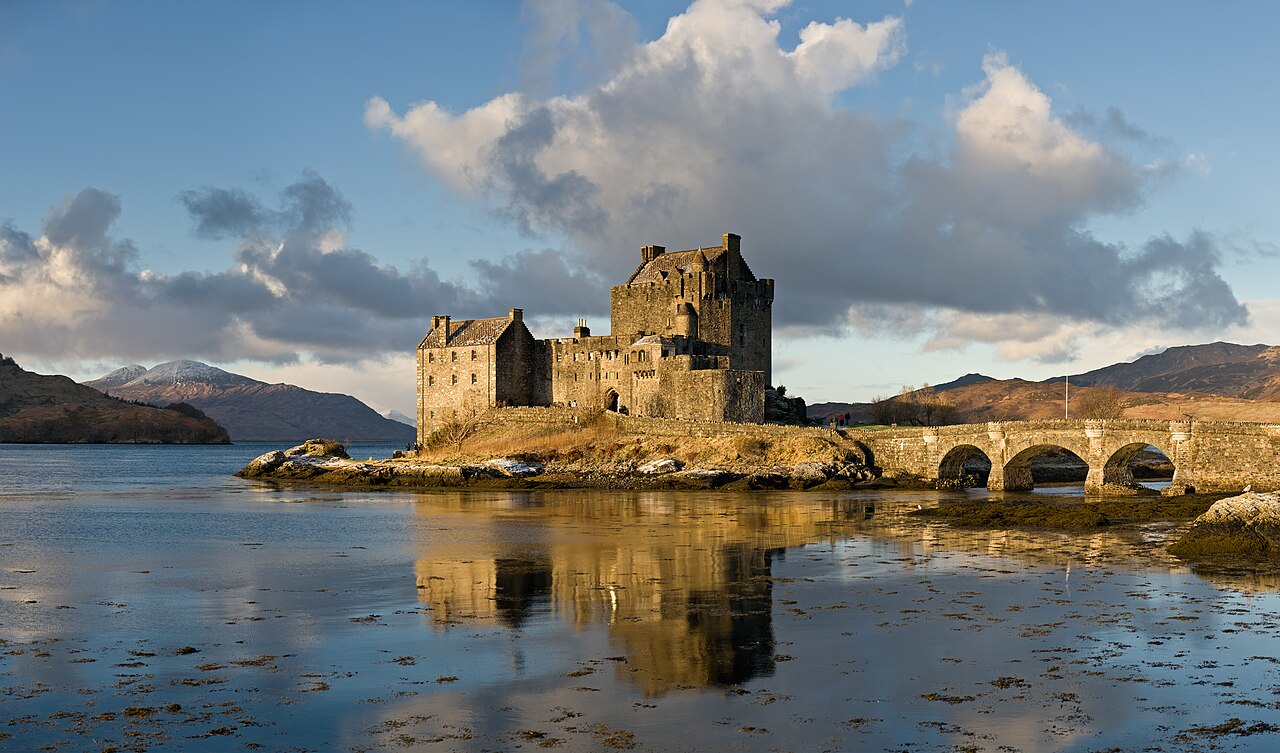
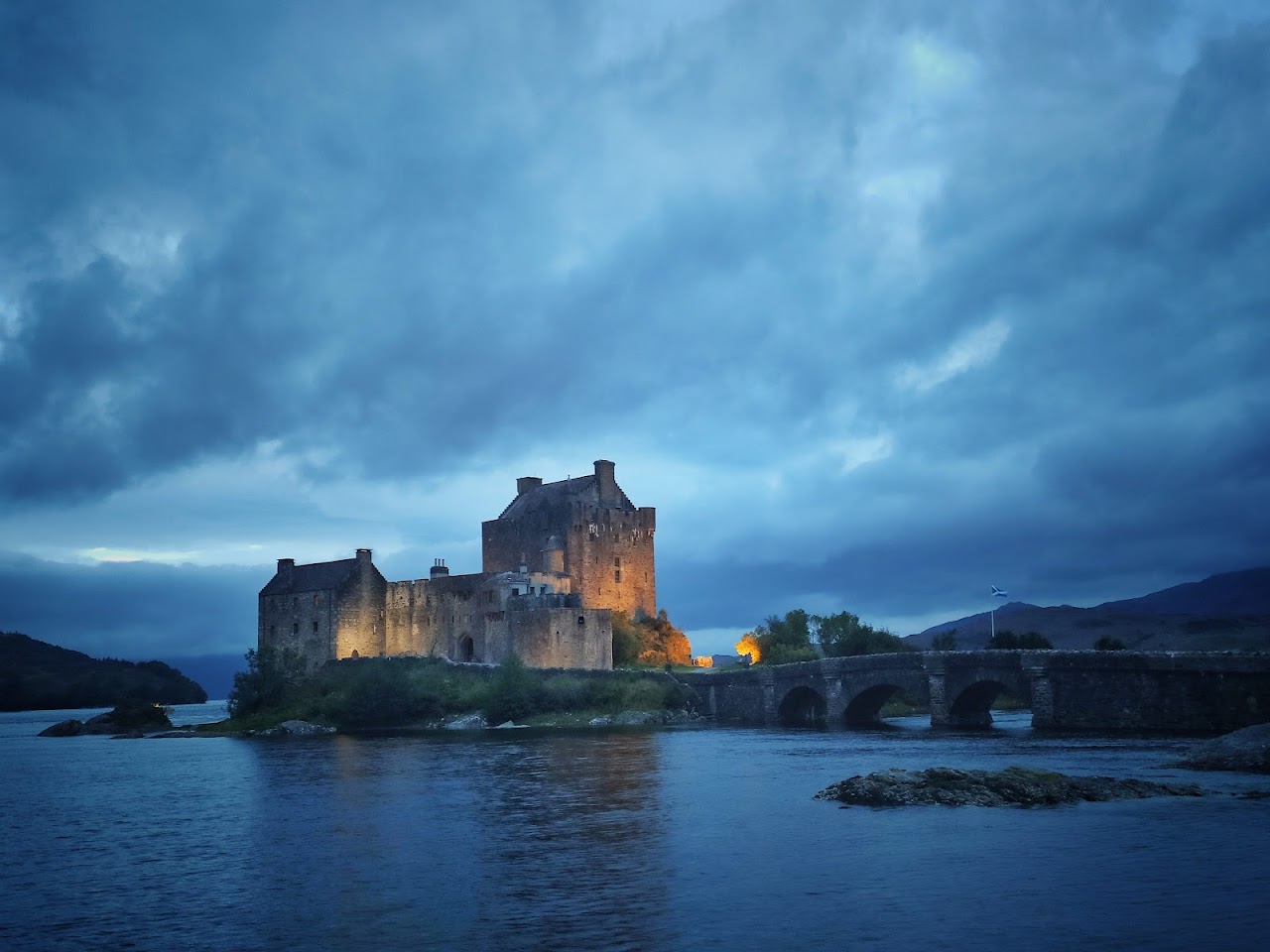
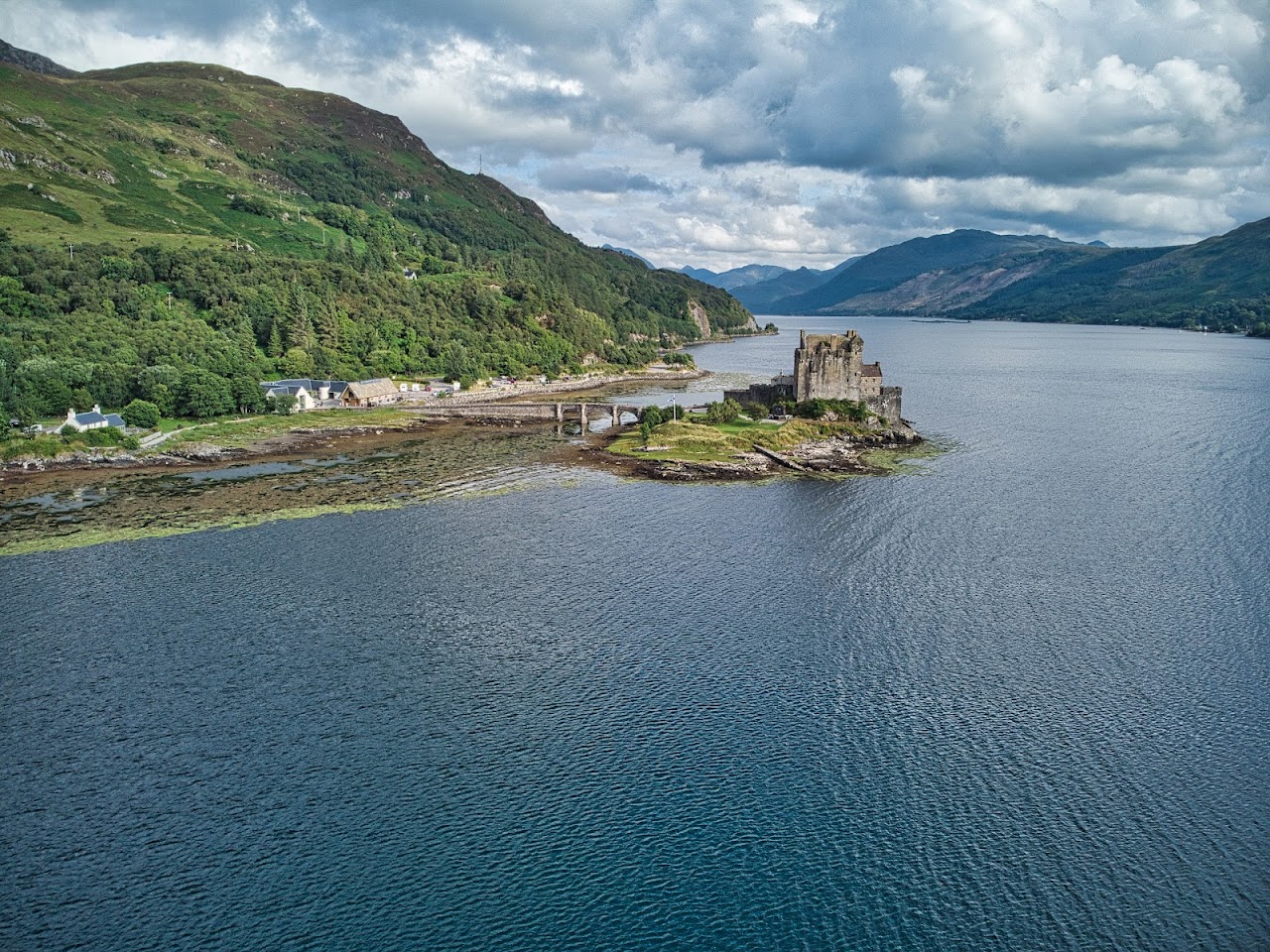
Three sea lochs meet at Eilean Donan. Loch Duich, Loch Long, and Loch Alsh converge around a small tidal island, and the castle sits at their centre like a stone dropped into water. The bridge — arched, mossy, impossibly picturesque — leads you across to what may be the most photographed castle in Scotland. On still days, the reflection is perfect. On wild days, the wind comes off the Atlantic and the lochs churn grey and the castle looks like it's holding on for dear life.
The original 13th-century fortress was a Mackenzie stronghold, guarding the sea route to Skye. It was blown apart by the Royal Navy in 1719 after a failed Jacobite rising supported by Spanish troops — 343 barrels of gunpowder were found in the castle when the government forces arrived. For two centuries, only a broken shell remained. Then, in 1911, Lieutenant Colonel John MacRae-Gilstrap began a twenty-year restoration, rebuilding the castle stone by stone using old plans and, allegedly, a dream. The Banqueting Hall, with its Gaelic mottoes and clan regalia, is the emotional heart of the MacRae story.
Today Eilean Donan is one of the most visited attractions in the Scottish Highlands. You've seen it in Highlander, The World Is Not Enough, and a thousand shortbread tins. But no photograph prepares you for the setting — the way the mountains of Kintail rise behind the castle, the way the light changes every hour on the water, the way the bridge feels like a crossing between the modern world and something older. Arrive at sunset and you'll understand why the MacRaes spent twenty years rebuilding it.
Videos
Loading videos...
Getting There
Terrain & Accessibility
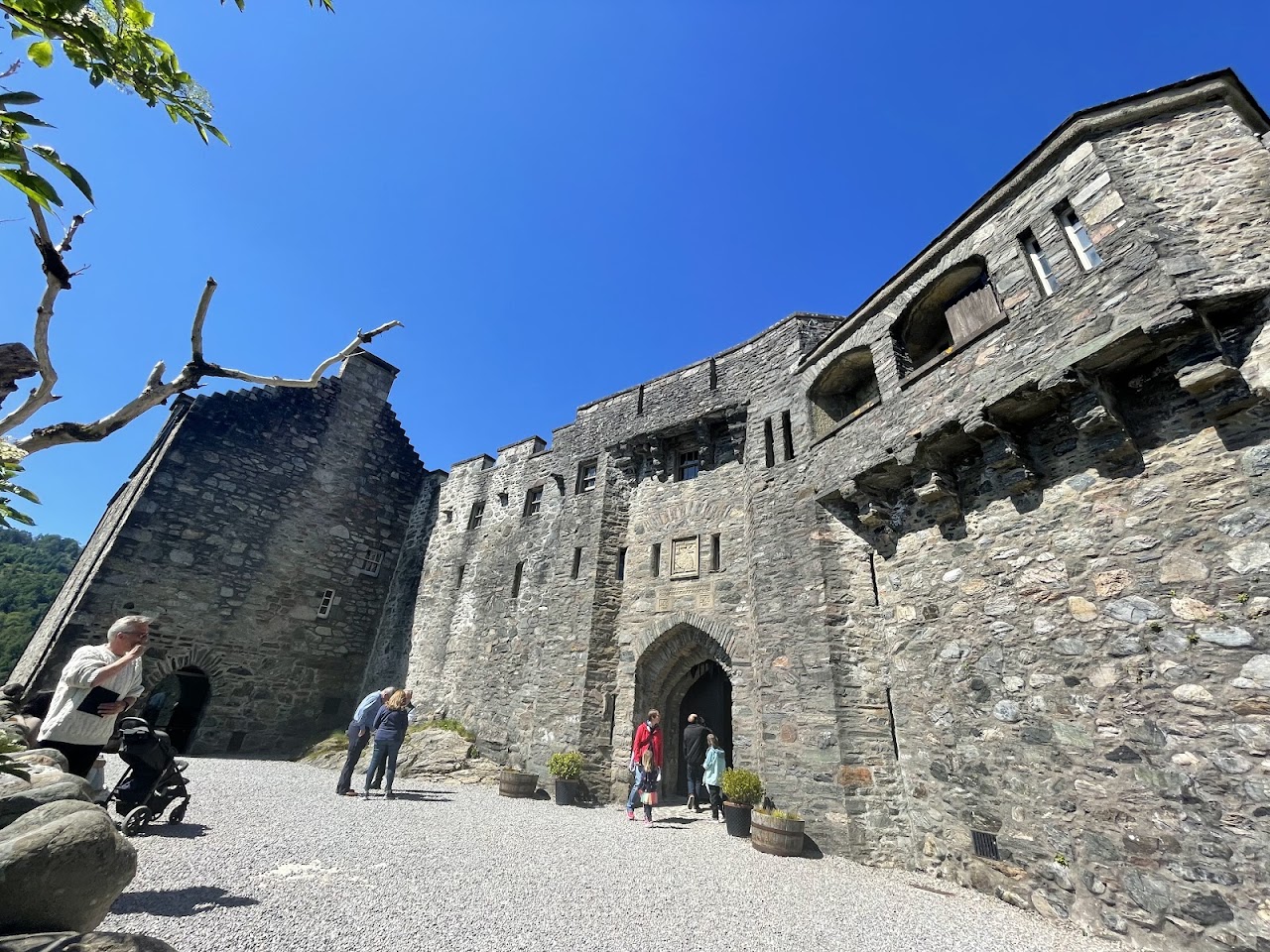
Access is via a stone bridge and there are steps to enter the castle. The interior involves narrow stairs between levels. Not wheelchair accessible inside. The exterior and bridge are the iconic photo spot. Visitor centre and café are accessible.
Visitor Reviews
Loading reviews...