Dublin & Eastern Ireland
Castles & Historic Sites
Castles & Historic Sites
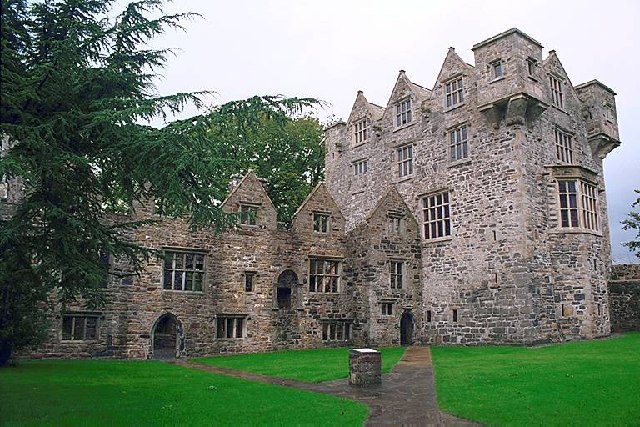
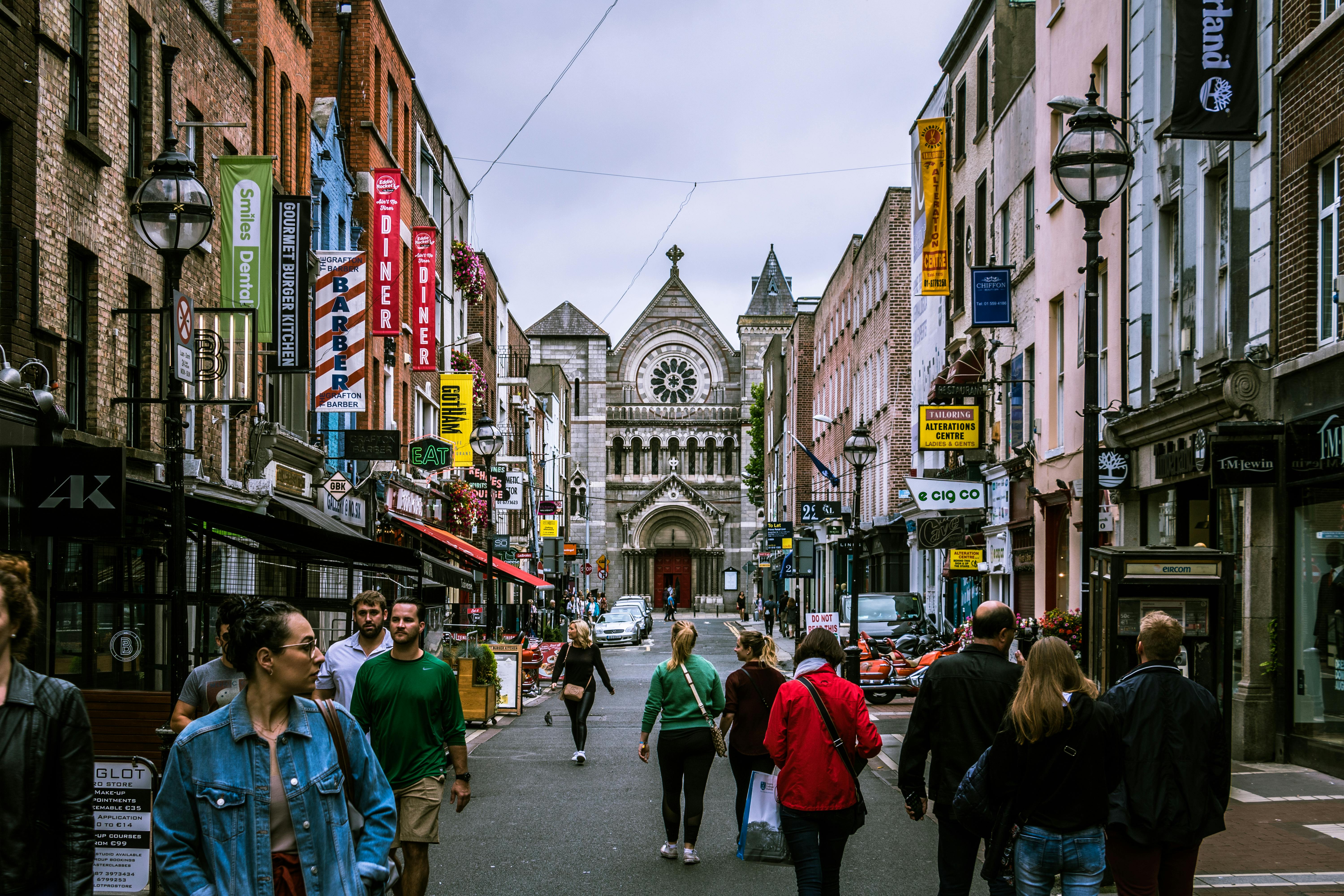
Dublin & Eastern Ireland — the historic heartland of Norman and English power in Ireland — stretches from the Viking-founded capital to the rich farmlands of County Kildare and the border lands of County Louth. This compact region is home to 50 castles, abbeys, and historic sites. Within Dublin itself, Dublin Castle and Malahide Castle anchor centuries of history, while nearby Maynooth Castle was the great stronghold of the FitzGerald earls. To the north, County Louth holds the ancient high crosses of Monasterboice and numerous Norman mottes. Every corner of The Pale reveals the layered history of conquest, resistance, and survival that shaped modern Ireland.
Top Rated in Dublin & Eastern Ireland
Explore by Route

A walking tour through Dublin's medieval heart — from Dublin Castle and Christ Church Cathedral to the city walls and St Patrick's Cathedral.

From Malahide Castle along the coast to Monasterboice's high crosses — Norman castles, round towers, and early Christian monuments along the Irish Sea.

Trace the power of the FitzGerald dynasty from Maynooth Castle through the Norman manors and tower houses of Kildare — the heart of The Pale.
Getting There
Dublin Airport is Ireland's main international gateway with direct flights from across Europe, North America, and beyond. The city centre is just 30 minutes by bus or taxi. Dublin is also served by ferries from Holyhead (Wales) to Dublin Port and Dún Laoghaire.
By train, Heuston Station connects Dublin to the south and west, while Connolly Station serves the north, including trains to Drogheda (for Monasterboice) and Dundalk in County Louth. The DART commuter rail runs along the coast, reaching Malahide and Howth to the north.
For exploring Kildare and Louth, a car gives the most flexibility, though Dublin's castles are easily reached by public transport. Maynooth is on the commuter rail line from Dublin, just 25 minutes from Connolly Station.
Accommodation
Dublin city centre offers everything from hostels to five-star hotels. For castle explorers, staying near Temple Bar or Christchurch puts you within walking distance of Dublin Castle and the medieval quarter.
Malahide is a charming coastal village with excellent restaurants and B&Bs, perfect if you prefer a quieter base with easy DART access to the city. Drogheda in County Louth is a good base for the northern sites including Monasterboice and the Boyne Valley.
For a castle experience, several historic houses in the region operate as hotels. The region offers Ireland's widest range of accommodation at every price point.
Planning
April to October is the main visiting season, with all heritage sites open and the longest days. Dublin's maritime climate means mild but unpredictable weather year-round — layers and a rain jacket are essential.
Summer (June–August) brings the warmest weather and longest days but also the biggest crowds at popular sites like Dublin Castle and Malahide. Visiting early morning or late afternoon helps avoid the tour bus rush.
Winter is perfectly viable for Dublin's castles — the city never shuts down, and sites like Dublin Castle stay open year-round. Kildare and Louth ruins are always accessible. Fewer tourists mean a more atmospheric experience, and Dublin's Christmas markets add seasonal charm.
Frequently Asked
Keep Exploring