Northern Ireland & Ulster
Castles & Historic Sites
Castles & Historic Sites
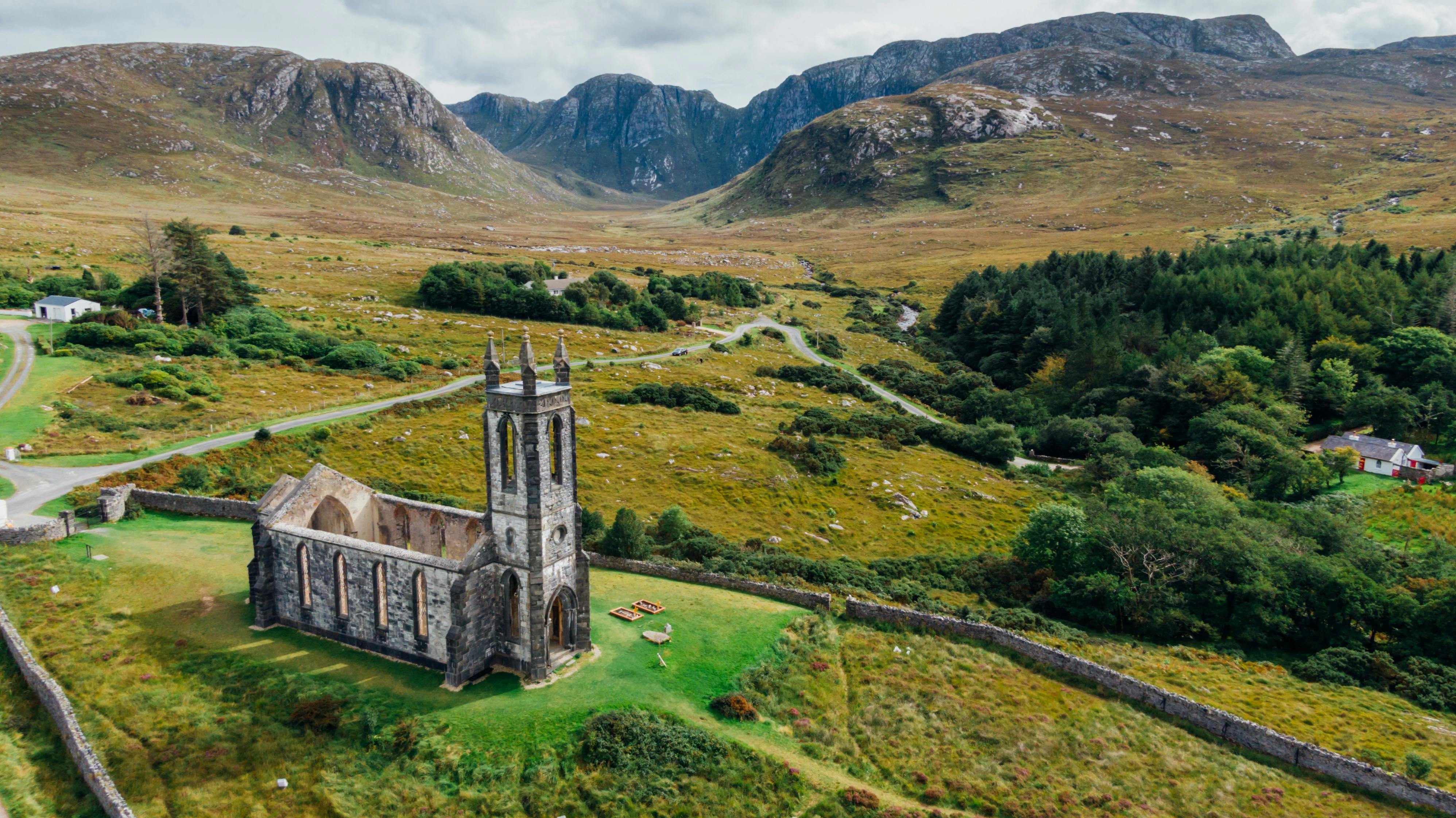
Northern Ireland & Ulster encompasses the wild and varied landscapes of Ireland's northernmost counties — from the sea cliffs of County Donegal and the Antrim Coast to the lakelands of Fermanagh and the drumlin hills of Cavan and Monaghan. This region is home to 124 castles, forts, and historic sites. The dramatic ruins of Dunluce Castle cling to Antrim's basalt cliffs, while Donegal Castle anchors its market town and Glenveagh Castle hides in a remote mountain valley. Ancient Grianan of Aileach — a 2,000-year-old ring fort — commands views across two loughs, and the elegant Palladian Castle Coole in Fermanagh represents the pinnacle of 18th-century architecture. Spanning both the Republic and Northern Ireland, this region weaves together Gaelic, Norman, Plantation, and modern histories.
Top Rated in Northern Ireland & Ulster
Explore by Route

Drive the spectacular Antrim coast from Carrickfergus Castle to Dunluce, passing the Giant's Causeway, clifftop ruins, and medieval strongholds along the way.
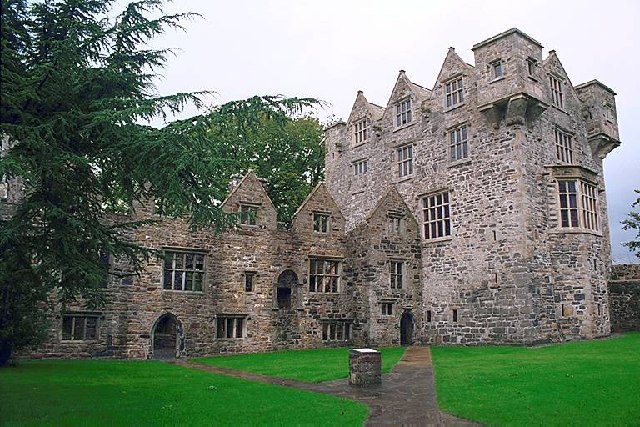
From Donegal Castle through Glenveagh National Park to the ancient hilltop fort of Grianan of Aileach — wild mountains, remote valleys, and Gaelic heritage.

Explore the lakeland castles of Fermanagh — from the Palladian grandeur of Castle Coole and Florence Court to Enniskillen Castle and island monasteries on Lough Erne.
Getting There
The region has two main airports: Belfast International and City of Derry Airport, both with flights from UK and European cities. Dublin Airport (2–3 hours south) is often the cheapest option for transatlantic travellers, with good motorway connections north.
By train, Enterprise services run between Dublin and Belfast in about 2 hours. From Belfast, Translink trains reach the Antrim coast and County Down. For Donegal and the northwest, Bus Éireann runs services from Dublin and Galway, though a car is strongly recommended.
A car is essential for exploring this vast region. The border between the Republic and Northern Ireland is seamless — no checkpoints or stops. Note that Northern Ireland uses pounds sterling while the Republic uses euros, and speed limits switch between mph and km/h at the border.
Accommodation
Belfast is the largest city with the widest range of accommodation, from budget hostels to boutique hotels. It's a good base for the Antrim coast, County Down, and eastern Ulster sites.
Derry~Londonderry is an excellent base for Donegal and the northwest, with its own walled city to explore. Donegal Town and Letterkenny offer good options for touring County Donegal's castles and wild coastline.
Enniskillen in County Fermanagh is perfectly positioned for the lakelands, with Castle Coole and Florence Court nearby. For a castle stay, several historic properties across the region operate as hotels — the Lough Erne Resort and Ballygally Castle Hotel on the Antrim coast are notable options.
Planning
May to September offers the best weather and longest days. Northern Ireland's heritage sites are generally open Easter through September, with some open year-round. The Antrim coast and Donegal are spectacular in summer sunshine.
Spring (April–May) is wonderful — fewer crowds, wildflowers along the coast, and most sites reopening for the season. Autumn (September–October) brings dramatic colours to Glenveagh and the Fermanagh lakelands.
Winter is quiet but atmospheric. Belfast stays lively, and outdoor ruins are always accessible. Donegal in winter can be wild and wet but stunningly beautiful. The Antrim coast in a winter storm is unforgettable — just dress accordingly.
Frequently Asked
Keep Exploring


