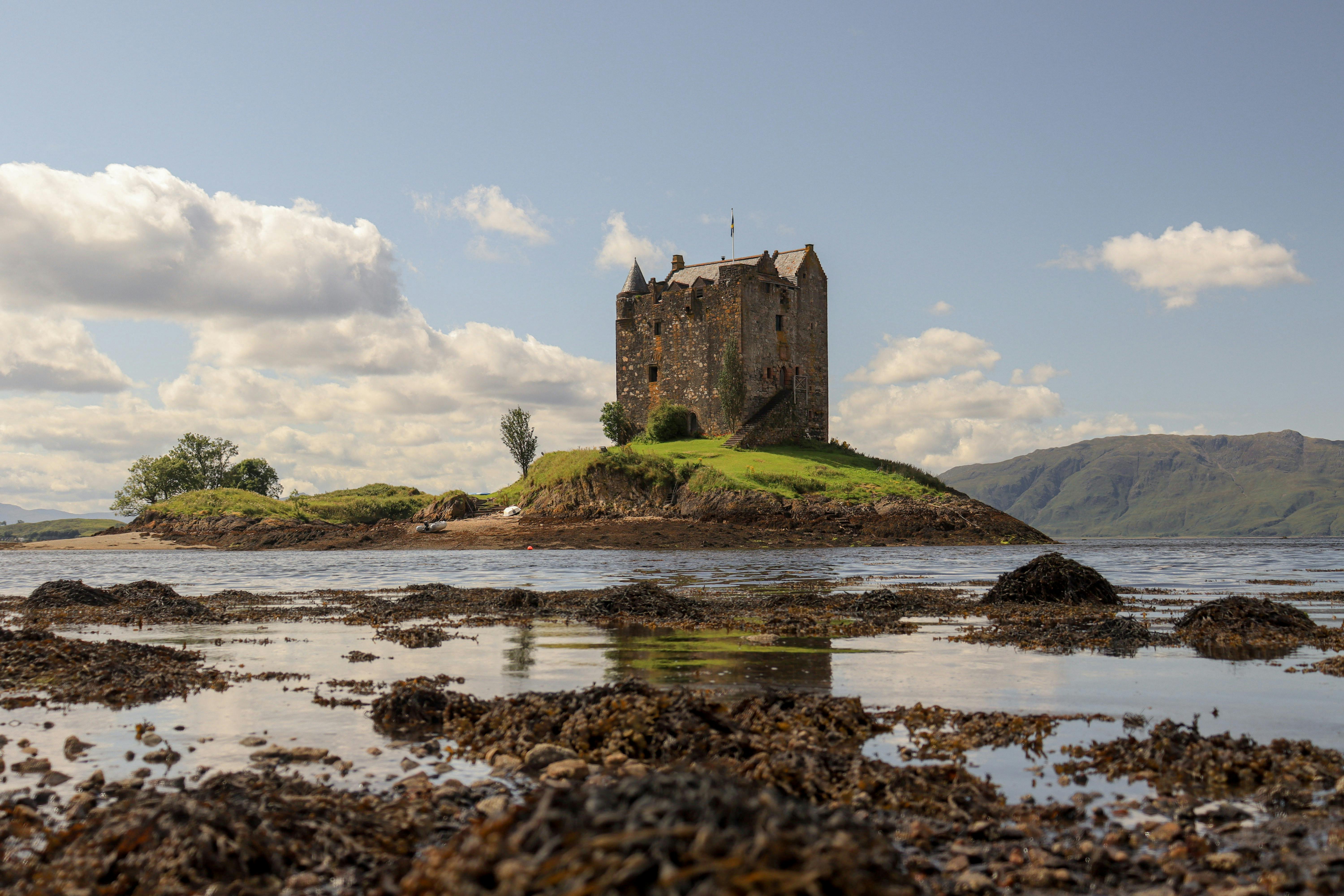
Argyll & the Western Isles
Castles & Historic Sites
Castles & Historic Sites
Argyll & the Western Isles is where Scotland meets the Atlantic — a vast, wild region of sea lochs, island-studded coastline, and some of the oldest fortified sites in Britain. From the ancient capital of Dalriada at Dunadd to the brooding island fortress of Castle Stalker and the remote Hebridean strongholds of the Western Isles, this region's 53 castles and historic sites span over 4,000 years. Whether you're island-hopping through the Inner Hebrides, exploring the medieval heart of Oban, or discovering ancient clan seats along the shores of Loch Fyne, Argyll and the Western Isles offer Scotland at its most ancient and atmospheric.
Top Rated in Argyll & the Western Isles
Explore by Route

Trace the origins of Scotland itself from the coronation hill of Dunadd through Kilmartin Glen's prehistoric landscape to Castle Sween, one of Scotland's oldest stone castles.
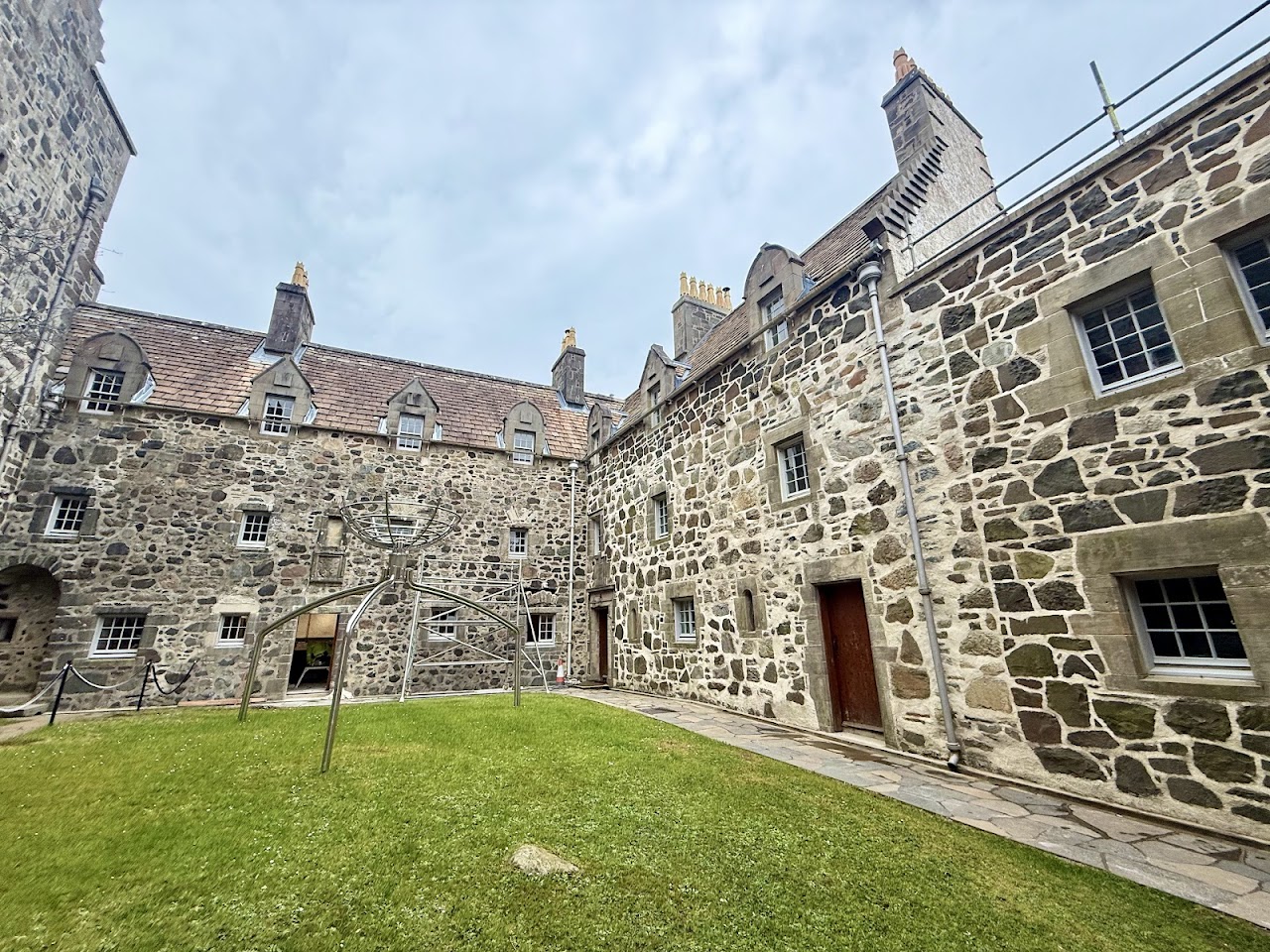
From Dunollie and Dunstaffnage near Oban, catch the ferry to Mull's Duart Castle and Torosay, then on to the dramatic sea-lashed castles of the Inner Hebrides.
Drive the dramatic Kintyre peninsula from Tarbert to the Mull of Kintyre, passing ancient castle ruins, hidden beaches, and views across to Ireland and Islay.
Getting There
Argyll is most easily reached by car from Glasgow (2 hours to Oban via the A82 through Loch Lomond). Oban is the gateway to the islands, with CalMac ferries to Mull, Islay, Colonsay, and beyond. Glasgow Airport is the nearest major airport. For Orkney, fly from Edinburgh, Glasgow, or Inverness to Kirkwall Airport, or take the ferry from Scrabster or Aberdeen. Shetland has flights from Aberdeen, Edinburgh, and Glasgow to Sumburgh Airport, or the overnight NorthLink ferry from Aberdeen.
Within Argyll, a car is essential — distances are long, roads are single-track in places, and public transport is limited. CalMac's Hopscotch tickets offer good value for multi-island ferry trips.
Accommodation
Oban is the natural hub — a lively harbour town with restaurants, pubs, and good accommodation, plus ferry access to the islands. On Mull, Tobermory (of Balamory fame) is colourful and well-supplied. Orkney's Kirkwall and Stromness have excellent B&Bs and small hotels. In mid-Argyll, Lochgilphead or Crinan are quiet bases near Kilmartin and Dunadd.
For a special experience, stay at Barcaldine Castle (B&B in a 16th-century tower house) or Glengorm Castle on Mull. Wild camping is popular across the islands — Scotland's access rights apply, and the remoteness is part of the appeal.
Planning
May to August is peak season — long daylight hours, calmest seas for ferry crossings, and all sites open. June is often the driest month. Ferry schedules are fuller in summer but book ahead for car crossings to Mull, Islay, and the Outer Hebrides — they sell out.
September brings beautiful autumn light and fewer midges. Winter is dramatic but challenging — short days, rough seas can cancel ferries, and many island sites close. However, mainland Argyll castles are accessible year-round, and winter storms create spectacular coastal scenery.
Frequently Asked
Keep Exploring


