.jpg)
Scottish Highlands & Northern Isles
Castles & Historic Sites
Castles & Historic Sites
The Scottish Highlands & Northern Isles stretch from Inverness and the shores of Loch Ness to the wild northern coast of Sutherland and Caithness, and out to the remote archipelagos of Orkney and Shetland. This vast region is home to 74 castles, abbeys, and ancient sites — from world-famous landmarks like Eilean Donan Castle and Urquhart Castle to hidden ruins in Glen Coe and the remote Kyle of Lochalsh. Whether you're driving the North Coast 500, exploring Culloden Battlefield, or standing among the Neolithic wonders of Skara Brae, every mile reveals a new piece of Scotland's story.
Top Rated in the Highlands
Explore by Route
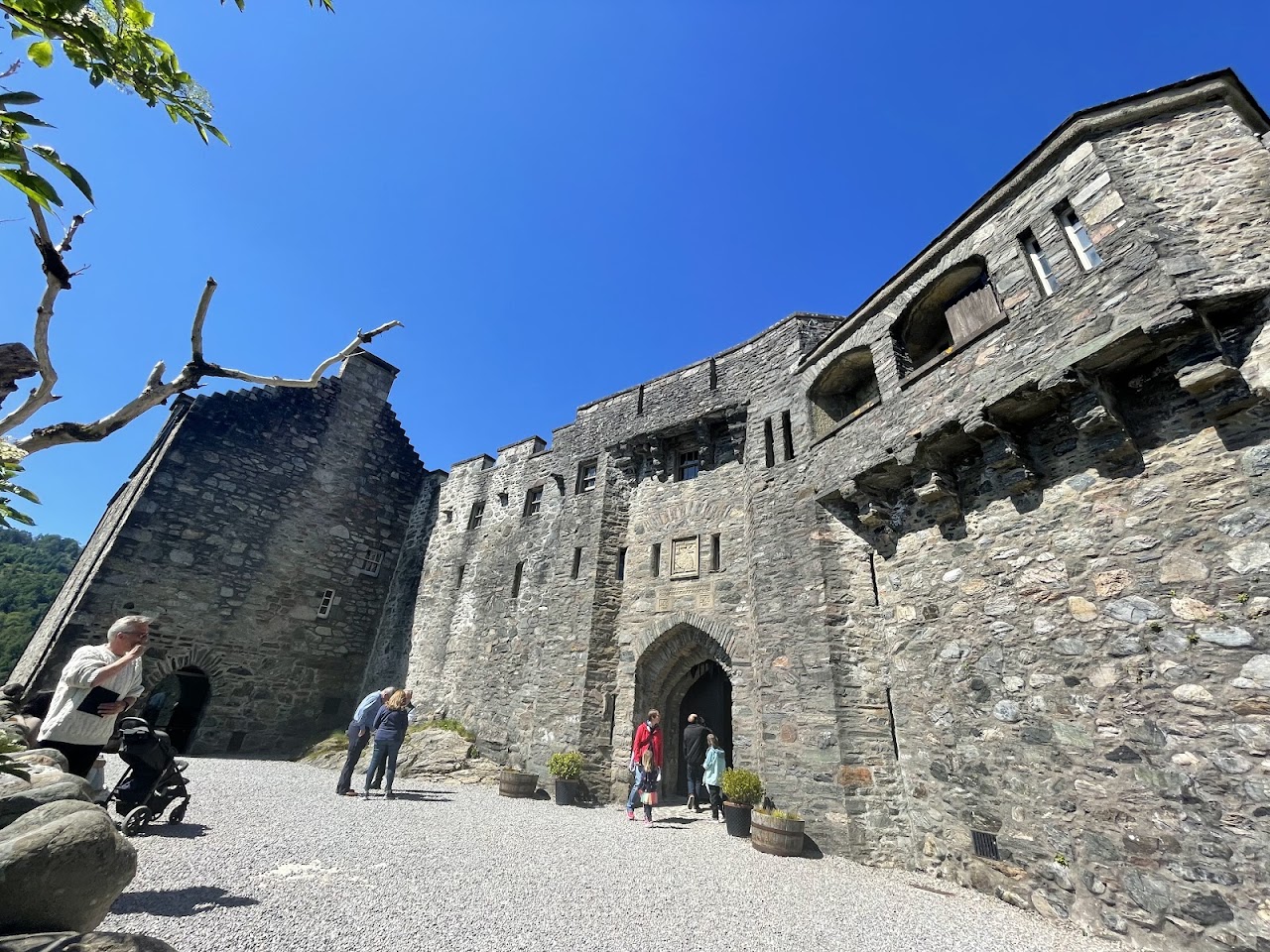
Follow the Great Glen from Inverness to Fort William, passing Urquhart Castle, Culloden, and the brooding shores of Loch Ness.
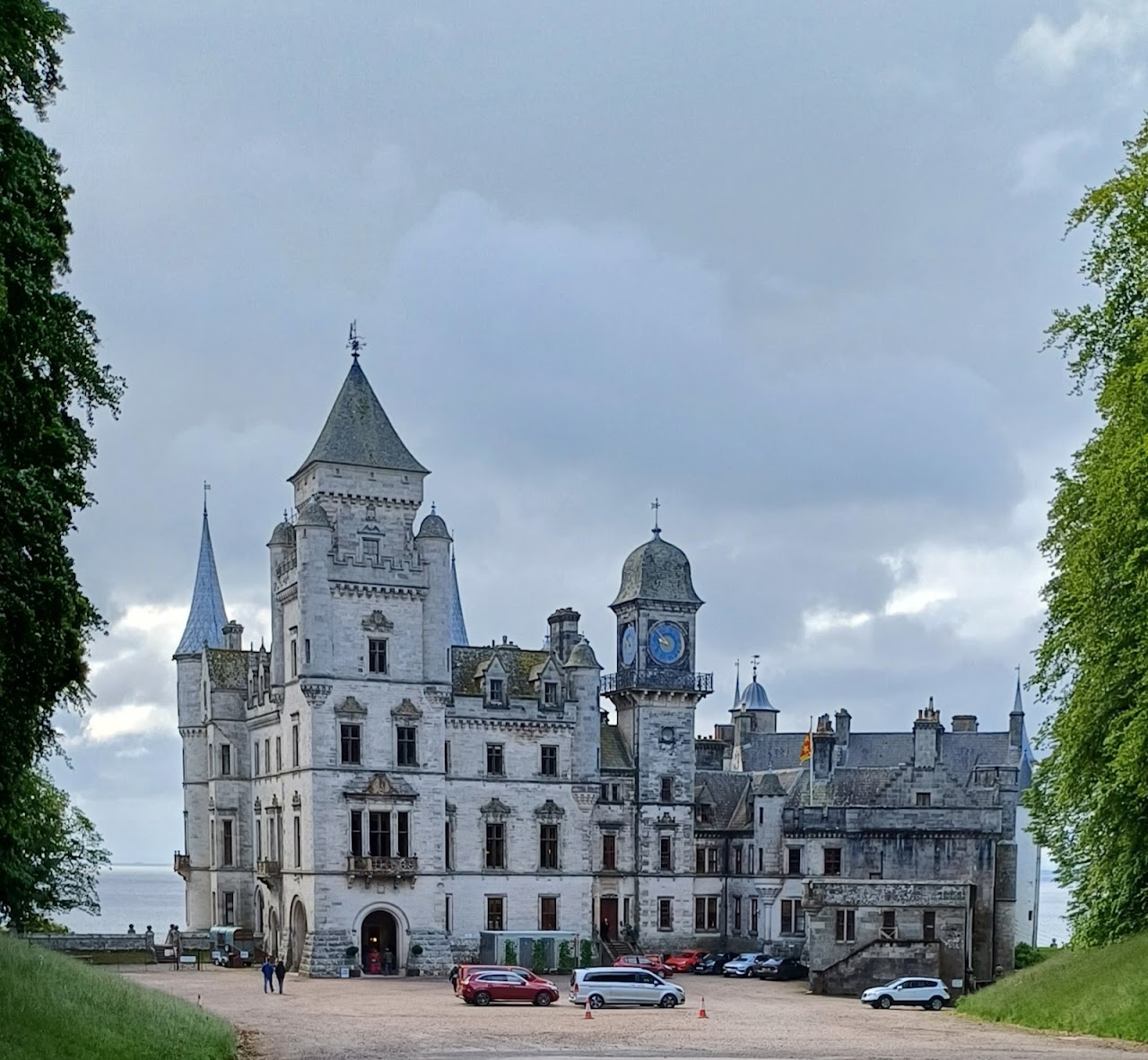
The castle-lover's North Coast 500 — from Dunrobin in the east to remote Sutherland ruins and the wild north coast.
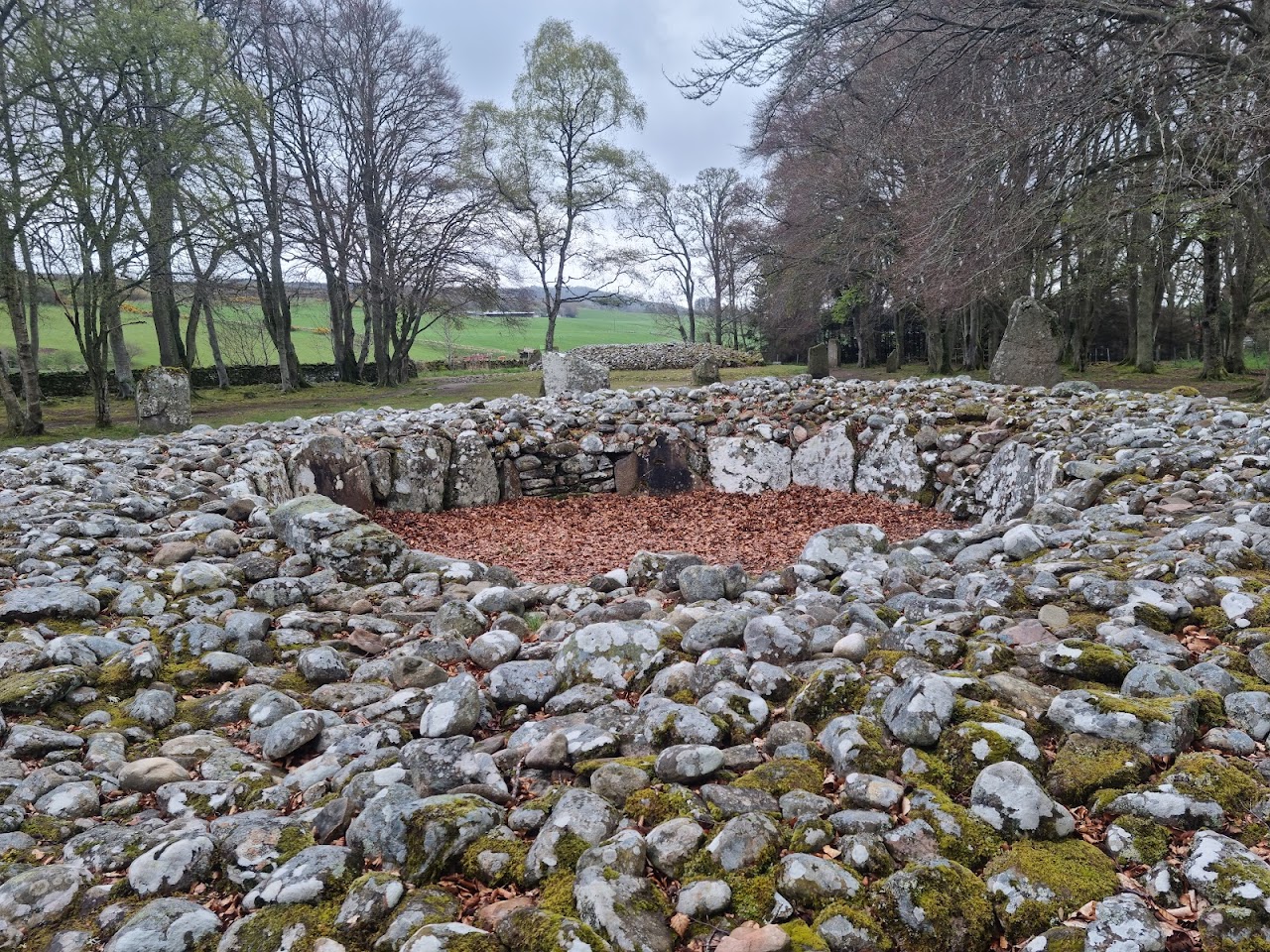
Bronze Age cairns, Iron Age brochs, and Pictish stones. Scottish Highlands & Northern Isles before the castles — 4,000 years of human story.
Getting There
Scottish Highlands & Northern Isles & Northern Isles are more accessible than you might think. Inverness, the Highland capital, has its own airport with direct flights from London, Manchester, Bristol, Dublin, and Amsterdam. From Edinburgh or Glasgow, the A9 takes around 3–3.5 hours by car — one of Britain's most scenic drives.
By train, the ScotRail Highland Main Line from Edinburgh/Glasgow to Inverness runs through the Cairngorms and is regularly voted one of the world's most beautiful rail journeys. The Caledonian Sleeper runs overnight from London to Inverness, Fort William, and beyond — arrive with the sunrise over the mountains.
Once in the Highlands, a car is essential. Distances are long, public transport is limited outside Inverness, and many of the best castle sites are down single-track roads. The North Coast 500 route is the most popular driving loop, covering the entire northern coastline. Car hire is available at Inverness Airport and city centre.
Accommodation
Inverness is the natural base — the largest city in the Highlands with the widest range of hotels, B&Bs, and hostels. It's well-positioned for Culloden, Cawdor Castle, Fort George, and the eastern Highlands.
For something special, several Highland castles operate as luxury hotels. Inverlochy Castle Hotel near Fort William, Tulloch Castle in Dingwall, and Aldourie Castle on the shores of Loch Ness offer the chance to sleep where Highland chiefs once feasted.
Along the NC500, small towns like Ullapool, Durness, Tongue, and Dornoch have excellent B&Bs and inns. Book ahead in summer — capacity is limited and the route is increasingly popular. Scotland's right to roam also makes wild camping legal throughout the Highlands, provided you follow the Scottish Outdoor Access Code.
Planning
May to September is peak season — the longest daylight hours (up to 18 hours in midsummer), warmest temperatures, and most castle interiors open. The trade-off is midges: tiny biting insects that swarm near water from June to August. Bring repellent.
April and October are excellent shoulder months. Fewer crowds, autumn colours (October is spectacular), and most major sites remain open. Spring brings wildflowers and nesting seabirds along the coast.
Winter (November–March) is magical but challenging. Daylight is short (6–7 hours), many castle interiors close, and Highland roads can be treacherous in snow. However, ruins don't have opening hours — and a snow-dusted castle at dawn with the mountains behind it is an experience you won't forget. The Northern Lights are occasionally visible from the north coast.
Frequently Asked
Keep Exploring


