The Scottish Borders
Castles & Historic Sites
Castles & Historic Sites
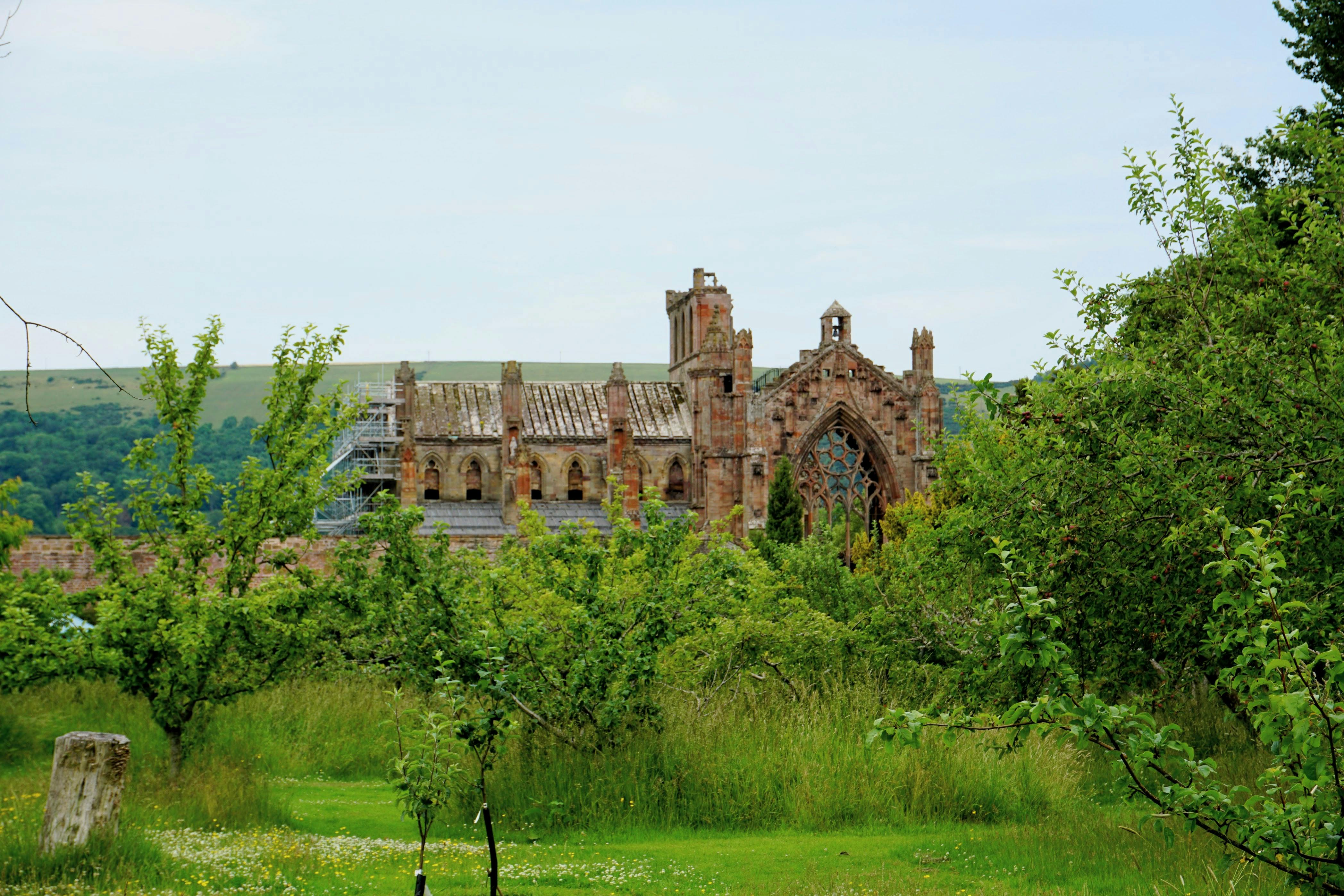
The Scottish Borders is a land shaped by centuries of conflict between Scotland and England — a rolling landscape of river valleys, sheep-dotted hills, and some of the most atmospheric abbey ruins in Britain. This region is home to 30 castles and historic sites, from the magnificent ruined abbeys of Melrose, Jedburgh, Dryburgh, and Kelso to the romantic tower houses that once guarded the frontier. Sir Walter Scott made this landscape famous from his home at Abbotsford, and the textile towns of the Tweed valley still carry the elegance of their prosperous past.
Top Rated in the Borders
Explore by Route
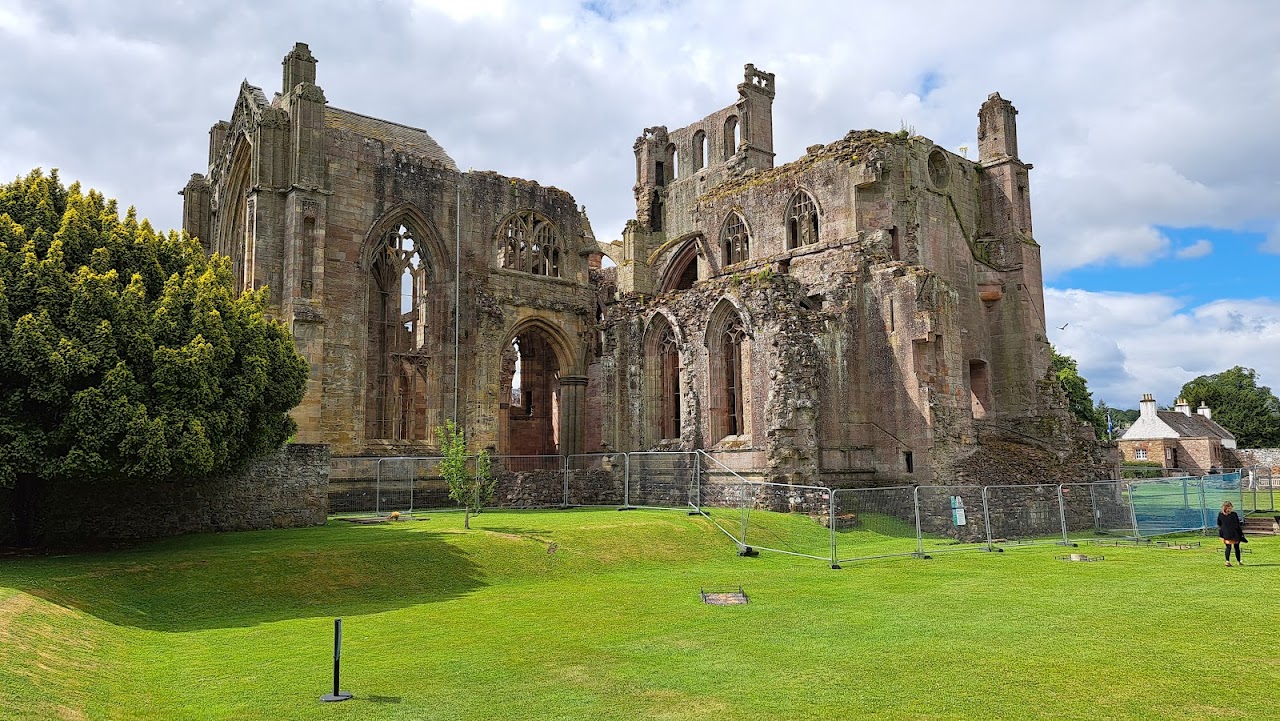
Visit all four of the magnificent Border Abbeys — Melrose (where Robert the Bruce's heart is buried), Jedburgh, Dryburgh (Scott's burial place), and Kelso — each a masterpiece of medieval architecture.
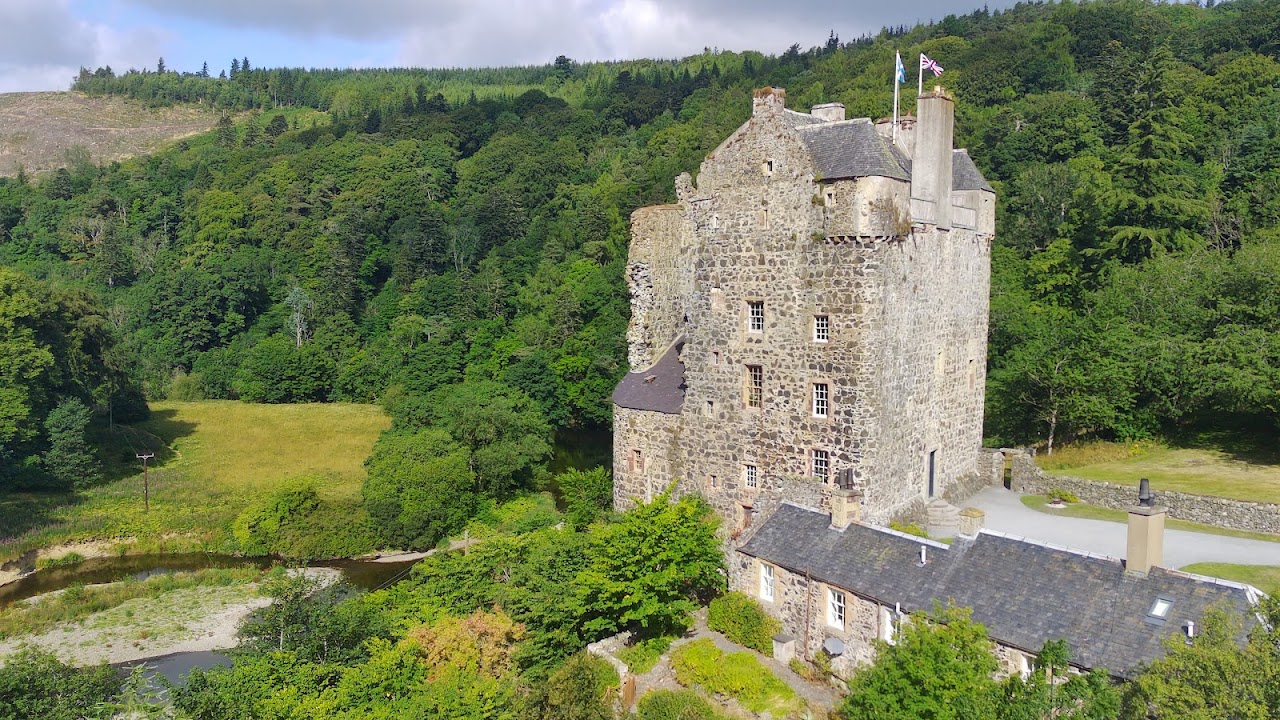
Follow the River Tweed from Neidpath Castle's clifftop perch through Traquair House (Scotland's oldest inhabited house) to the dramatic ruins of Roxburgh and the tower houses of the valley.
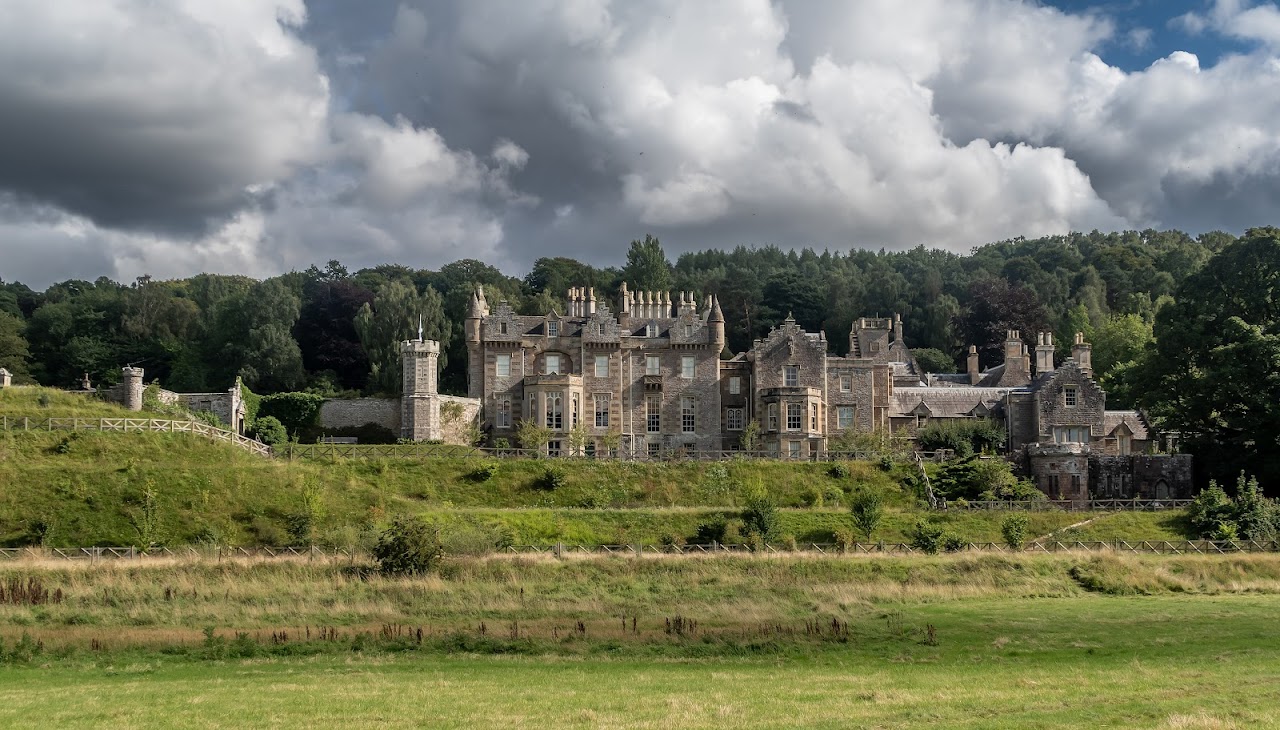
Walk in the footsteps of Scotland's greatest novelist — from Abbotsford House, his fantastical baronial mansion, to Melrose Abbey, Dryburgh Abbey, and the landscapes that inspired his Waverley novels.
Getting There
Scottish Borders are easily reached from Edinburgh (1 hour south via the A68 or A7). The Borders Railway runs from Edinburgh Waverley to Tweedbank near Melrose — a scenic 55-minute journey that's one of Scotland's newest rail lines (opened 2015). From Newcastle in England, the A68 crosses Carter Bar into the Borders in about 1.5 hours — one of the most dramatic border crossings in Britain.
A car is the best way to explore, though the railway plus local buses cover the main towns. The region is compact — you can cross it in under an hour. Most abbey and castle sites are well-signposted from main roads, making self-drive tours straightforward.
For those flying internationally, Edinburgh Airport is the nearest major hub, with direct car hire available. The drive south to Melrose or Jedburgh takes about 1.5 hours via the A68 — a beautiful introduction to the Scottish countryside.
Accommodation
Melrose is the ideal base — a charming small town with excellent restaurants, Melrose Abbey on its doorstep, and Abbotsford nearby. Kelso is an elegant Georgian market town at the confluence of the Tweed and Teviot. Peebles in the west offers good accommodation and access to the Tweed valley castles.
For luxury, Stobo Castle is a spa hotel in a 19th-century castle. Several Borders tower houses offer B&B accommodation for an authentic experience. The region is popular with walkers (St Cuthbert's Way, Southern Upland Way) and cyclists, so accommodation books up in summer.
The Scottish Borders offers excellent value compared to Edinburgh or the Highlands. Many country house hotels occupy former Border strongholds, and the region's textile heritage means you'll find some of the finest woollens and tweeds in Scotland.
Planning
April to October is best — spring brings wild garlic to the abbey ruins and lambs to the hillsides. Summer (June-August) has the longest days and the famous Common Ridings — historic horse-riding festivals unique to the Border towns. Autumn is spectacular along the Tweed valley, with rich colours and salmon fishing season.
Winter is quiet — abbeys and outdoor sites are accessible year-round but some castle interiors close. Scottish Borders rarely gets heavy snow but can be cold and exposed. The region's lower altitude means it's generally milder than the Highlands.
Melrose Rugby Sevens (April) is a beloved local event. The Borders Book Festival (June) celebrates the region's literary heritage, while individual towns hold their Common Ridings throughout summer — spectacular displays of horsemanship and Border tradition.
Frequently Asked
Keep Exploring


